⏱️ Estimated Reading Time: 9 min read
When God Feels Silent: Trusting Him in the Valley of Waiting
Hope in the Valley Series
By Dave Jenkins
There are seasons in the Christian life when the silence feels almost unbearable. You pray, and the heavens seem closed. You wait, and nothing changes. You ask the Lord for wisdom, comfort, relief, or direction, and yet day after day the burden remains. For many believers, one of the hardest parts of suffering is not only the pain itself, but the feeling that God is quiet in the middle of it.
In those moments, questions rise quickly. Has God forgotten me? Has He turned away? Is He unwilling to help? The valley of waiting has a way of exposing both our fears and our frailty. It presses us to wrestle honestly with what we believe about the Lord when His purposes are not immediately clear.
Scripture does not ignore this experience. In fact, the Bible speaks with remarkable honesty about it. The psalmists cry out in distress. Job groans under the weight of prolonged suffering. The prophets call on the Lord in days of confusion and sorrow. Again and again, God’s people are shown walking through seasons in which they do not understand what He is doing. The Bible does not present these believers as failures. It presents them as saints learning to trust the Lord in the dark.
God’s Silence Is Not His Absence
One of the most important truths Christians must remember in seasons of waiting is that God’s silence does not mean God’s absence. There is a great difference between not hearing what the Lord is doing and the Lord not being at work. Our perception is limited. His presence is not.
David gives voice to this struggle in Psalm 13: “How long, O Lord? Will you forget me forever? How long will you hide your face from me?” These are not the words of a man who has stopped believing. They are the words of a believer wrestling in real time with sorrow, delay, and divine hiddenness. David feels forsaken, but he continues speaking to God. Even in the pain, he turns toward the Lord rather than away from Him.
That matters. Faith is not proven only in moments of confidence and visible blessing. Often faith is seen most clearly when a believer keeps praying through tears, keeps opening the Bible in grief, and keeps clinging to the promises of God when circumstances offer little immediate comfort.
The Valley of Waiting Exposes the Heart
Waiting has a way of revealing what we truly trust. When life is stable and answers come quickly, it is easy to say that God is good. But when the trial lingers, when the diagnosis remains, when the grief deepens, or when the door stays shut, the heart is tested. In those moments, we begin to see whether our hope rests in God Himself or merely in the outcomes we wanted Him to give us.
This is one reason waiting is so difficult. It strips away illusions of control. It confronts our demand for immediate clarity. It reminds us that we are creatures, not the Creator. Yet even here, the Lord is kind. He uses the valley not to destroy our faith, but to deepen it. He teaches us to trust His character when we cannot trace His hand.
Isaiah 40:31 says, “but they who wait for the Lord shall renew their strength.” Waiting on the Lord is not passive resignation. It is active dependence. It is the choice to rest in God’s wisdom, submit to His timing, and believe that He remains faithful even when the path ahead is unclear.
God Is Still Working in What We Cannot See
One of the hardest realities for suffering Christians to accept is that God often does His deepest work in hidden ways. We want visible movement. We want immediate answers. We want resolution. But the Lord is not limited to the things we can measure or perceive. His providence is often quiet, but it is never absent.
Romans 8:28 reminds believers that “for those who love God all things work together for good, for those who are called according to his purpose.” That verse does not mean everything feels good. It does not mean every sorrow makes sense to us in the moment. It means that God is sovereign over every detail and that He is at work even when His purposes remain hidden from view.
The silence of God is not the inactivity of God. The Lord is not idle in your waiting. He is sustaining you, refining you, teaching you, humbling you, strengthening you, and conforming you more and more to the image of Christ. Much of that work may be invisible now, but it is not unreal. Heaven sees what earth often misses.
Preaching Truth to Your Own Soul
When believers walk through seasons of silence, one of the great temptations is to let feelings become the final authority. Discouragement begins to shape perception. Fear starts interpreting providence. The heart grows weary, and the soul begins listening to itself more than it listens to God.
This is why Psalm 42 is so helpful. The psalmist says, “Why are you cast down, O my soul, and why are you in turmoil within me? Hope in God.” He does not deny his sorrow. He does not pretend everything is fine. But neither does he surrender himself to despair. He speaks truth into the middle of his anguish.
This is a vital lesson for every Christian. In the valley, we must learn to preach to our own souls. We must remind ourselves of who God is. We must recall His faithfulness. We must bring His promises to mind again and again. We must open His Word not merely for information, but for stability and hope.
The Christian life requires this kind of spiritual self-counsel. The heart is often unsteady, but the Word of God is not. Emotions rise and fall, but the character of God does not change. In seasons of waiting, believers need more than emotional relief. They need truth that anchors the soul.
Christ Meets His People in the Silence
The greatest comfort for the Christian in the valley of waiting is not merely that others have gone before us. It is that Christ Himself has entered into suffering. He is not distant from sorrow. He is the Man of Sorrows. He knows what it is to be rejected, grieved, opposed, and afflicted. He knows what it is to cry out in anguish.
Jesus wept at the tomb of Lazarus. He agonized in Gethsemane. He endured the darkness of the cross. Hebrews 4:15 tells us that we do not have a High Priest who is unable to sympathize with our weaknesses. That means the believer never suffers alone. Christ is not watching from a distance with detached concern. He is the sympathetic Savior who draws near to His people in their weakness.
For the Christian, the silence of the valley is never proof that Christ has abandoned His own. The cross has already settled that question. The risen Lord who purchased His people with His blood will not leave them in their sorrow. He will sustain them in it, and He will bring them safely through it according to His perfect wisdom.
Hope Rests in the Character of God
At the end of the day, the hope of the Christian is not anchored in changed circumstances, quick answers, or emotional relief. Our hope rests in the unchanging character of God. He is faithful. He is wise. He is sovereign. He is good. He does not forget His children. He does not abandon His promises. He does not lose control of the lives of those He loves.
Lamentations 3:22–23 declares, “The steadfast love of the Lord never ceases; his mercies never come to an end; they are new every morning.” Those words were written in the context of grief and devastation, not ease and abundance. That is what makes them so precious. Biblical hope is not sentimental optimism. It is confidence in the steadfast love of God even in the middle of great sorrow.
When God feels silent, His Word still speaks. When the valley feels long, His mercy is still new. When the path is dark, His character remains bright and sure. The believer’s hope survives not because the valley is easy, but because the Lord is faithful.
Conclusion
If you are in a season where God feels silent, you are not alone. Many faithful believers have walked this road before you. More importantly, the Lord Himself is with you in it. The valley of waiting is painful, but it is not purposeless. God is at work even when you cannot yet see what He is doing.
So keep praying. Keep opening the Word. Keep bringing your fears and questions honestly before the Lord. Keep hoping in Him. The silence is real, but it is not the end of the story. The God who seems hidden is still the God who is near, and He will prove Himself faithful in every part of the journey.
Reflection Questions
- What am I most tempted to believe about God when my prayers seem unanswered?
- How have I seen the Lord sustain me in past seasons of waiting?
- What Scriptures can I return to when my heart grows weary?
For Pastors and Ministry Leaders
Help suffering believers see that seasons of silence are not unusual in the Christian life. Teach them that waiting is not wasted, that God’s hidden work is still real work, and that faith often grows deepest in the soil of unanswered questions. Remind them that Christ is sufficient not only in moments of visible victory, but also in long nights of sorrow and uncertainty.
For more from our latest series please visit here or at our YouTube.
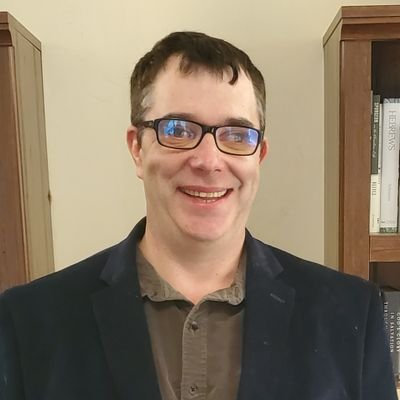
Dave Jenkins is happily married to his wife, Sarah, and lives in beautiful Southern Oregon. He is a writer, editor, and speaker who loves Christ, His people, the Church, and sound theology.
Dave serves as the Executive Director of Servants of Grace Ministries and the Executive Editor of Theology for Life Magazine. He is the Host and Producer of the Equipping You in Grace Podcast and a contributor to and producer of Contending for the Word.
He is the author of The War of Worldviews: Truth, Lies, and the Battle for the Christian Mind (Theology for Life, 2026), Contentment: The Journey of a Lifetime (Theology for Life, 2024), The Word Matters: Defending Biblical Authority Against the Spirit of the Age and The Word Explored: The Problem of Biblical Illiteracy and What To Do About It (House to House, 2021).
You can connect with Dave on Facebook, X (Twitter), Instagram, YouTube, or subscribe to his newsletter.
When he is not engaged in ministry work, Dave enjoys spending time with his wife, going to movies, sharing a meal at a favorite restaurant, or playing a round of golf with friends. He is also a voracious reader, particularly of Reformed theology and the Puritans, and is often found working through a stack of new books from a wide range of Christian publishers.
Dave earned his M.A.R. and M.Div. from Liberty Baptist Theological Seminary.