⏱️ Estimated Reading Time: 5 min read
How to Cultivate Biblical Literacy at the Start of the Year
By Dave Jenkins
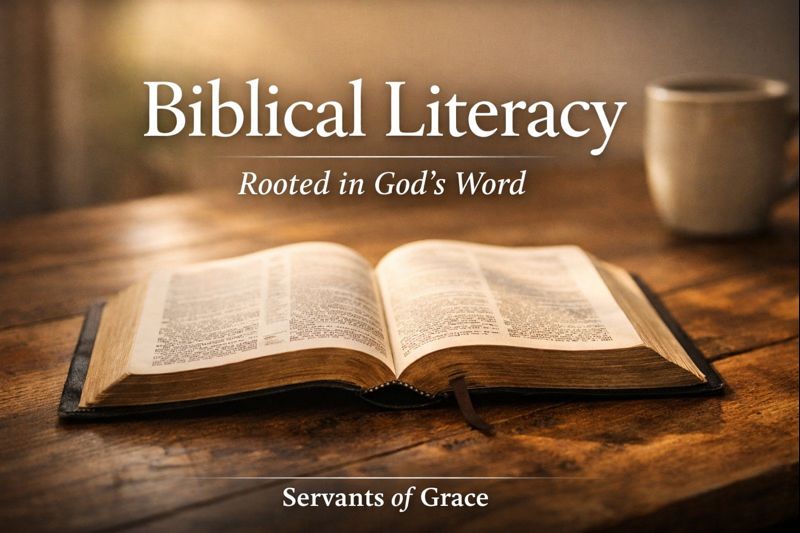
The start of a new year often brings renewed resolve. We reflect on where we’ve been, consider where we are, and think carefully about where we’re headed. Goals are set, habits are evaluated, and priorities are reshaped. For the Christian, however, the most important question is not simply what we will do this year, but what will shape us. What will form our thinking, anchor our faith, and guide our obedience? Biblical literacy is not a secondary concern for the Christian life. It is essential. If we desire to grow in faith, discernment, and maturity, we must begin by rooting ourselves deeply in the Word of God.
What Biblical Literacy Is and Why It Matters
Biblical literacy is more than familiarity with verses or stories. It involves understanding the message of Scripture as a whole, reading passages in their proper context, recognizing sound doctrine, and applying God’s Word faithfully to everyday life. A biblically literate Christian is better equipped to discern truth from error, to resist false teaching, and to walk faithfully in a confused and shifting world. Biblical literacy strengthens confidence in God’s promises and steadies the believer when challenges arise. At its core, biblical literacy begins with a settled conviction: God has spoken, and His Word is sufficient, authoritative, and trustworthy.
Begin with the Right Foundation
Cultivating biblical literacy starts with how we approach Scripture. The Bible is not merely inspirational writing or religious reflection. It is the very Word of God, breathed out by Him for our instruction, correction, and growth. We do not come to Scripture as judges over it, deciding what we will accept or ignore. We come as learners, ready to be shaped by what God has revealed. At the beginning of the year, it is worth asking whether we read the Bible to hear from God or simply to fulfill a habit, and whether we are willing to submit our thinking, preferences, and assumptions to Scripture.
Commit to Regular, Intentional Reading
Consistency matters far more than intensity. Ten minutes of faithful daily reading over time will bear far more fruit than sporadic bursts of enthusiasm. Regular reading allows us to become familiar with the flow of Scripture, the development of its themes, and the character of God revealed throughout redemptive history. Reading entire books of the Bible, rather than isolated verses, helps us grasp the author’s intent and the message of the text. Scripture is not meant to be rushed. It is meant to be read carefully, patiently, and attentively.
Learn to Read Scripture in Context
One of the greatest threats to biblical literacy is reading Scripture apart from its context. Passages must be understood in light of their historical setting, literary structure, and place within the larger story of the Bible. As you read, ask simple but important questions. Who is speaking? To whom was this written? Why was it written? How does this passage fit into God’s redemptive plan? Learning to read Scripture in context guards us from misusing God’s Word and deepens our understanding of its meaning.
Let Scripture Interpret Scripture
The Bible is a unified book with a single divine Author. Clear passages help illuminate more difficult ones, and themes unfold across the whole of Scripture. As you grow in biblical literacy, you will begin to see how the Old Testament points forward to Christ and how the New Testament explains and fulfills what came before. Tracing these connections strengthens confidence in the coherence and trustworthiness of God’s Word. Over time, Scripture begins to shape how you think, not just what you know.
Read Prayerfully and Dependently
Biblical literacy is not merely an intellectual exercise. It is a spiritual discipline. Before reading, pray for understanding. As you read, ask the Lord to convict, encourage, and instruct you. After reading, pray that His Word would take root in your heart and bear fruit in your life. God’s Word is living and active, and it accomplishes His purposes as we approach it with dependence and faith.
Apply What You Learn
Knowledge alone does not lead to maturity. Scripture was given to be obeyed. As you read, consider how the passage reveals God’s character, exposes sin, points to Christ, and calls you to faithful living. Biblical literacy grows as knowledge moves from the mind to the heart and then into daily obedience. Application turns reading into worship and guards against spiritual pride.
Stay Rooted in the Local Church
Biblical literacy is cultivated best within the context of the local church. Faithful preaching, sound teaching, and Christ-centered fellowship reinforce personal study and help believers grow together in truth. God has given pastors and teachers to equip the saints, and He uses the ordinary means of grace within the church to shape His people.
Start the Year Rooted in the Word
Biblical literacy does not develop overnight. It is cultivated through faithful, humble, prayerful engagement with Scripture over time. As you begin this year, do not aim merely to read more. Aim to know God more deeply through His Word, to grow in discernment, and to walk in obedience. When we commit ourselves to Scripture, we discover that God’s Word does not simply inform our lives. It transforms them.
For more from our latest series please visit: Starting the Year Rooted in Christ