⏱️ Estimated Reading Time: 3 min read
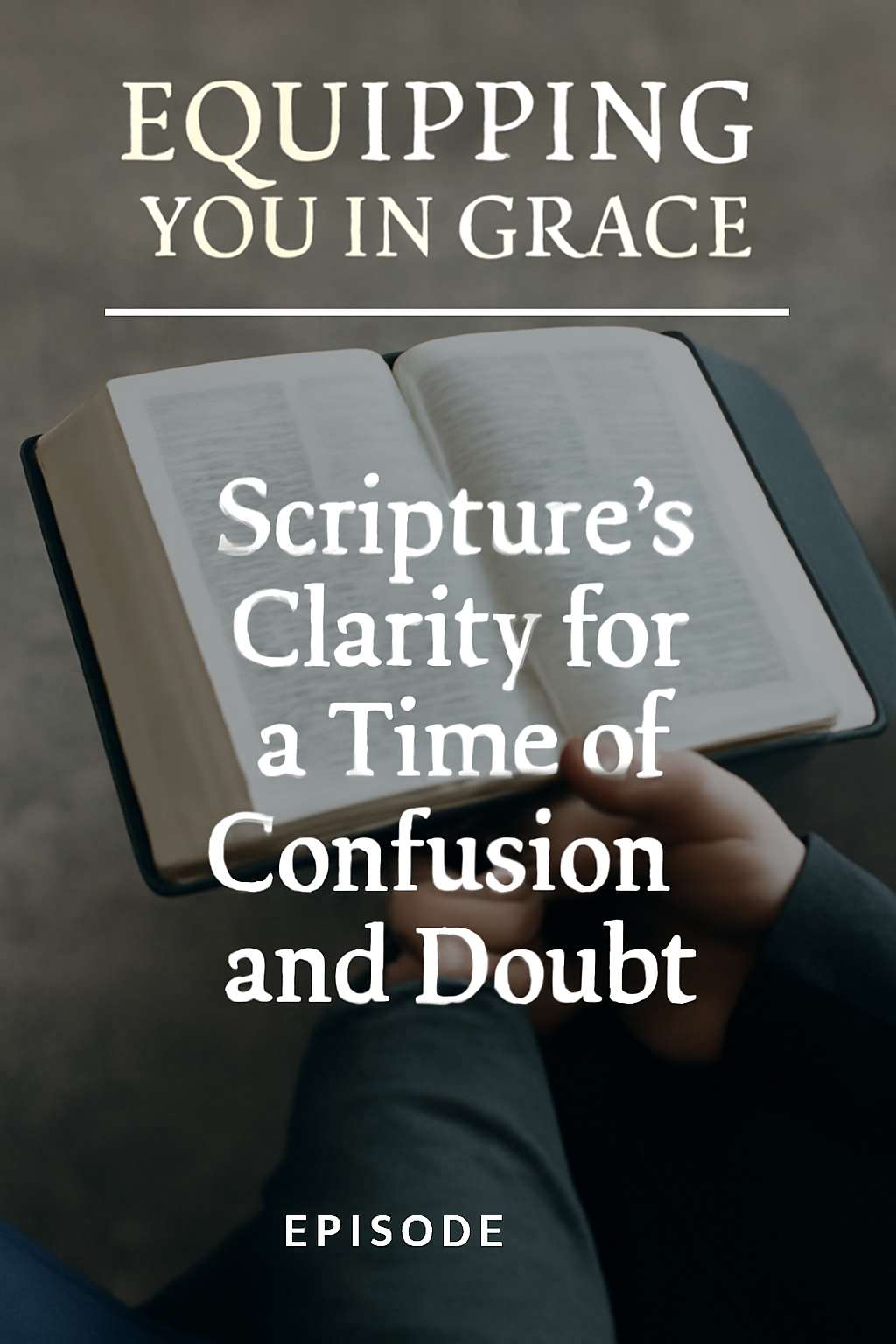
In this episode of Equipping You in Grace, Dave Jenkins explores how Christians can biblically and faithfully respond to the cultural confusion and moral decline of our day. Using the grand storyline of Scripture—Creation, Fall, Redemption, and Consummation—Dave outlines a thoughtful, gospel-centered approach to cultural engagement, one that is rooted in the sufficiency of God’s Word.
Whether you’re navigating debates over truth, witnessing societal unrest, or simply seeking clarity in confusing times, this episode will help you stand firm, speak the truth in love, and walk in integrity as a follower of Jesus.
Listen to the Audio Episode
Watch Video Episode
🔍 Topics Covered
- Why the sufficiency of Scripture is foundational in every cultural conversation.
- How to speak with grace and truth in a hostile world
- Cultivating humility, courage, and holiness in your witness.
- How to respond to apparent problems in the Bible.
- Understanding the difference between a Christian worldview. and a biblical worldview.
- The role of prayer, wisdom, and discernment in public engagement.
📖 Scripture References
- Psalm 119:105
- 2 Peter 1:3
- Colossians 4:6
- John 1:14
- Romans 12:3
- Acts 4:29–31
- 1 Peter 1:15–16
- Titus 2:7
- 1 Thessalonians 5:17
- Matthew 7:7
- Proverbs 26:4–5
- 2 Timothy 3:16–17
- 2 Peter 3:16
🔗 Listen & Subscribe
🎙️ Apple Podcasts: Listen here
🎧 Spotify: Listen here
📺 YouTube: Watch here
📣 Shareable Quote
“Your word is a lamp to my feet and a light to my path.” — Psalm 119:105
🙏 Thank you for listening or watching this episode of Equipping You in Grace.
Frequently Asked Questions (FAQ)
1. What does “inerrancy” mean?
Inerrancy refers to the belief that the Bible, in its original manuscripts, is without error in all that it affirms. This includes theology, history, science, and ethics. In other words, God’s Word is true and trustworthy in every aspect.
2. Why do people claim the Bible is full of errors?
Critics often point to apparent contradictions, historical inaccuracies, or moral objections within Scripture. However, careful study and understanding of literary context and biblical theology can resolve all of these perceived issues.
3. How can I respond to objections about the Bible’s trustworthiness?
Christians can respond by explaining the doctrine of inerrancy, showing how many so-called contradictions are actually different perspectives of the same truth, and emphasizing the Bible’s historical and theological reliability.
4. Is the Bible still relevant today?
Yes, the Bible remains relevant today. Its message of salvation, God’s character, and moral teachings apply to all people, in all times, and in all places. The Bible addresses both eternal truths and practical life guidance.
5. How can I be confident in the Bible’s reliability?
The reliability of the Bible is supported by historical evidence, overwhelming manuscript data, and the internal consistency of its message. Christians also trust in God’s character and His promise to preserve His Word.
Dave Jenkins is happily married to his wife, Sarah, and lives in beautiful Southern Oregon. He is a writer, editor, and speaker who loves Christ, His people, the Church, and sound theology.
Dave serves as the Executive Director of Servants of Grace Ministries and the Executive Editor of Theology for Life Magazine. He is the Host and Producer of the Equipping You in Grace Podcast and a contributor to and producer of Contending for the Word.
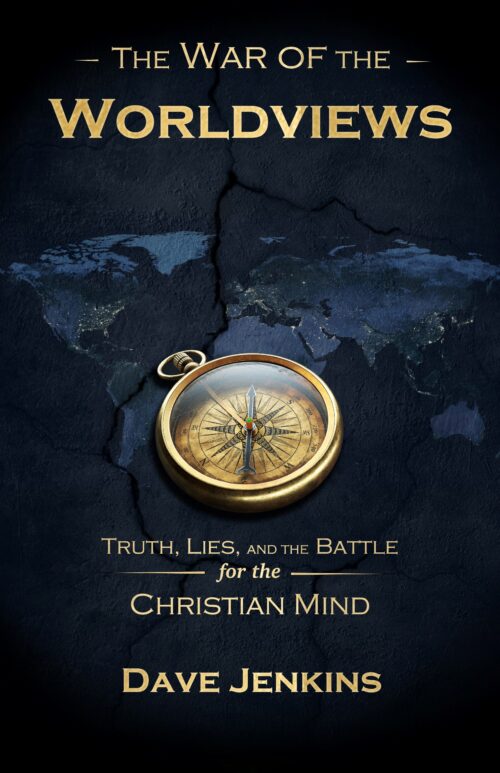
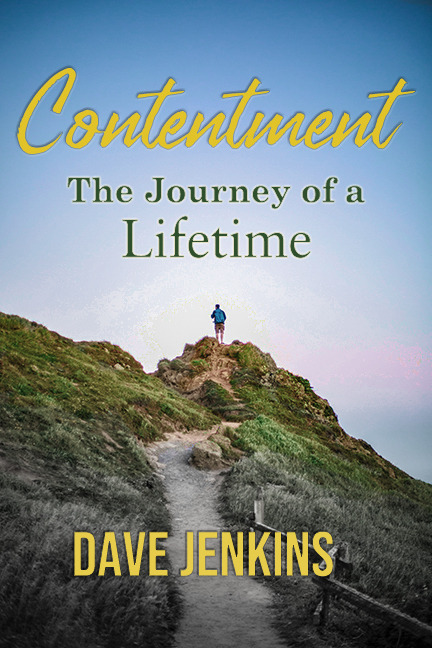
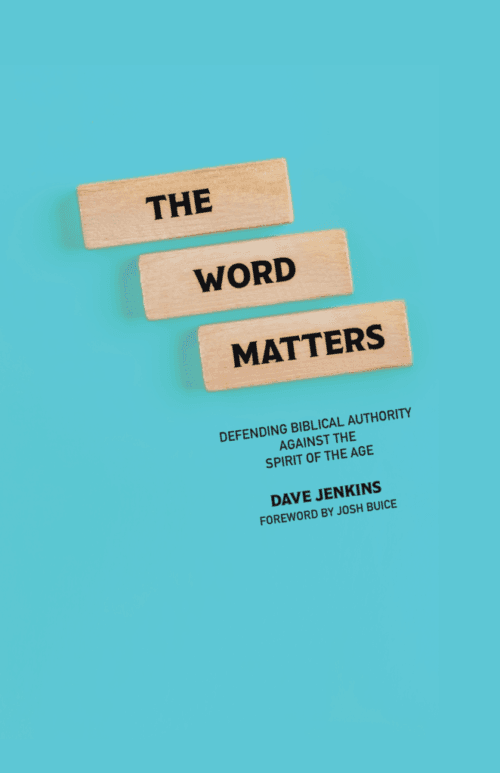
He is the author of The War of Worldviews: Truth, Lies, and the Battle for the Christian Mind (Theology for Life, 2026), Contentment: The Journey of a Lifetime (Theology for Life, 2024), The Word Matters: Defending Biblical Authority Against the Spirit of the Age (G3 Press, 2022), and The Word Explored: The Problem of Biblical Illiteracy and What To Do About It (House to House, 2021).
You can connect with Dave on Facebook, X (Twitter), Instagram, YouTube, or subscribe to his newsletter.
When he is not engaged in ministry work, Dave enjoys spending time with his wife, going to movies, sharing a meal at a favorite restaurant, or playing a round of golf with friends. He is also a voracious reader, particularly of Reformed theology and the Puritans, and is often found working through a stack of new books from a wide range of Christian publishers.
Dave earned his M.A.R. and M.Div. from Liberty Baptist Theological Seminary.