Scripture Engagement: We Don’t Need Less Scripture, We Need More
By Dave Jenkins
What we need in our articles, books, podcasts, and sermons today is not less Scripture, but more faithful engagement with Scripture. Christian content does not become stronger when the Bible is pushed to the margins. It becomes stronger when God’s Word is rightly interpreted, clearly explained, and carefully applied to every area of life.
Scripture engagement is urgently needed today because in the midst of abundant Christian content, it is deep, faithful engagement with God’s Word that transforms lives.
A Crisis of Shallow Content
We live in a golden age of access to biblical content. Podcasts abound, articles flood our feeds, and books are published in record numbers. But access does not equal engagement. It is possible to hear Bible verses, read Christian articles, and consume theological content while never slowing down long enough to understand, receive, and obey the Word of God.
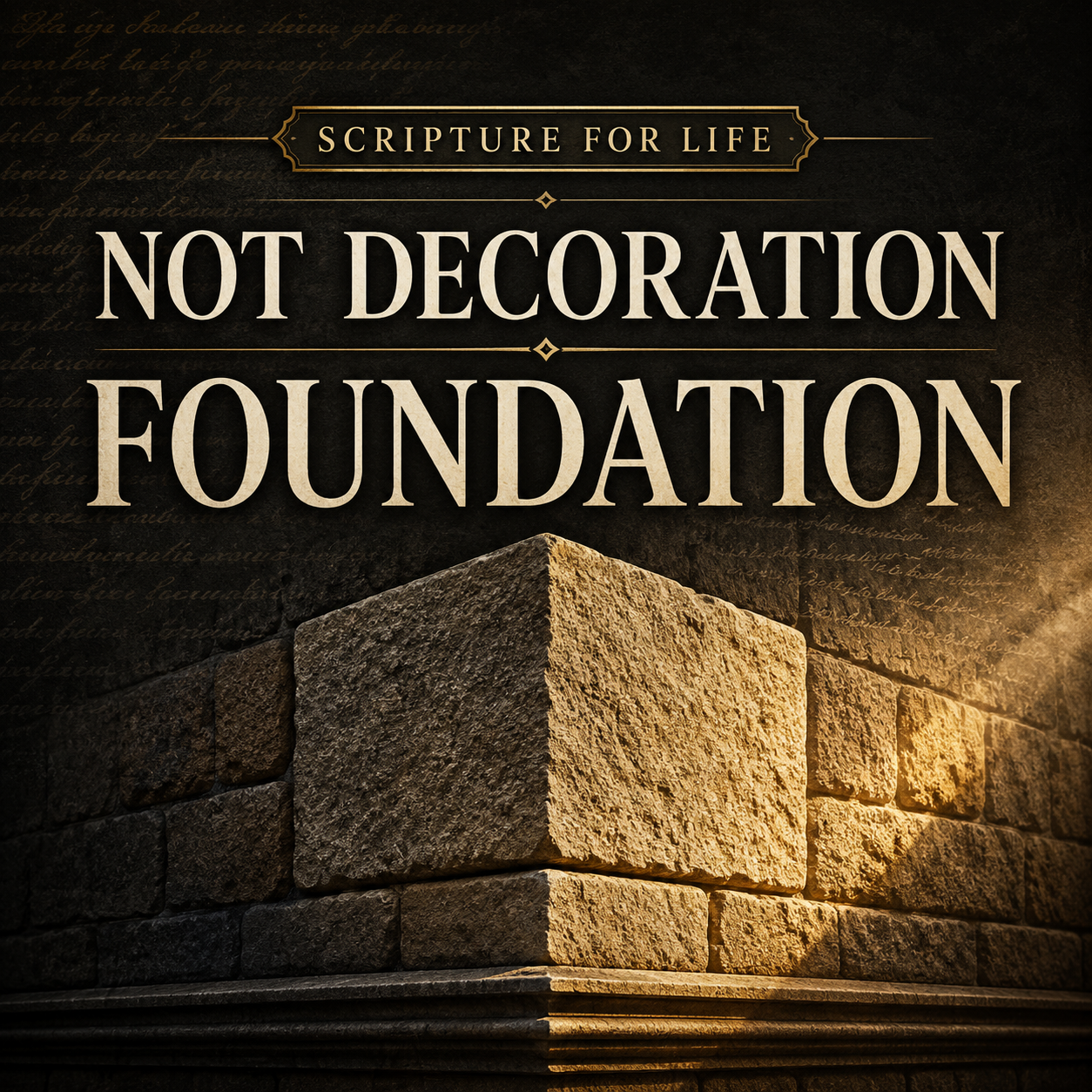
The problem is not that we quote Scripture too much. It is that we often quote it too loosely. Scripture is too often treated like decoration, not foundation.
As Paul exhorted Timothy, “Preach the word; be ready in season and out of season” (2 Tim. 4:2). That imperative still stands for preachers, writers, podcasters, teachers, and every Christian communicator.
Scripture Engagement: Hearing, Reading, and Submitting
James tells us, “Be doers of the word, and not hearers only, deceiving yourselves” (James 1:22). Scripture engagement is not just exposure. It is obedience.
- Hearing the Word (Romans 10:17)
- Reading the Word (Revelation 1:3)
- Studying the Word (Acts 17:11)
- Meditating on the Word (Psalm 1:2)
- Applying the Word (Luke 11:28)
Richard Baxter once wrote, “Make it your work with diligence to apply the word as you are hearing it.”
In today’s media age, it is possible to scroll through Scripture without ever submitting to it. But the Bible is not a passive text. “The word of God is living and active… discerning the thoughts and intentions of the heart” (Heb. 4:12).
Exposition: Teaching the Text Faithfully
True engagement with Scripture requires exposition, carefully drawing out the meaning of the text. Like Ezra, who “set his heart to study the Law of the Lord, and to do it and to teach” (Ezra 7:10), so must we.
Expository teaching is not just a style. It is a conviction. It says: The text governs the message.
Consider the Reformers. John Calvin’s pulpit ministry was known for lectio continua, preaching verse by verse through books of the Bible. He believed the preacher’s authority came only from the text rightly explained.
Martyn Lloyd-Jones put it plainly: “What is the chief end of preaching? To give men and women a sense of God and His presence.” That happens only when we let the text speak clearly.
Application: Where Theology Meets Life
Scripture is not only to be interpreted. It is to be lived.
After eleven chapters of deep theology, Paul opens Romans 12 with a plea: “I appeal to you therefore… to present your bodies as a living sacrifice” (Rom. 12:1). Exposition without application is like a lamp that has never been turned on.
- Ephesians 4 shows how our union with Christ transforms speech and relationships.
- Colossians 3 ties heavenly-mindedness to parenting and work.
- James 3 reminds us that true wisdom bears fruit in gentleness, not pride.
Church history reminds us that the most fruitful movements, including the Reformation, the Great Awakening, and the Puritan era, flowed from expository proclamation that led to personal and societal transformation.
For Writers, Teachers, and Preachers Today
If you write, teach, or preach, ask yourself:
- Have I rightly interpreted the passage?
- Am I helping my reader understand the context?
- Is Christ central in this teaching?
- Have I applied the Word in a way that exhorts obedience and hope?
Use the tools of sound hermeneutics:
- Grammatical-historical interpretation
- Cross-referencing Scripture with Scripture
- Gospel-centrality rooted in the whole counsel of God (Acts 20:27)
The Need for Scripture in All of Life
We don’t need less Bible in our content. We need more faithful engagement with the Bible, rightly interpreted, clearly explained, and carefully applied.
We need preaching that sounds like Ezra, writing that reads like Romans, and podcasts that echo Paul’s plea: “Let the word of Christ dwell in you richly” (Col. 3:16).
This is the heartbeat of our Scripture for All of Life series: God’s Word is not only sufficient for salvation, but sufficient for every corner of life.
Let’s recommit to the Scriptures, not as ornaments to our content, but as the foundation of all we say and do.
Faithful Scripture engagement is not optional. It is essential for every believer and every area of life. When Scripture engagement is central, everything else flows from it: sound theology, godly living, faithful ministry, and enduring hope in Christ.
“We believe and confess the canonical Scriptures of the holy prophets and apostles of both Testaments to be the true Word of God, and to have sufficient authority of themselves, not of men. For God himself spoke to the fathers, prophets, apostles, and still speaks to us through the Holy Scriptures.”
—Second Helvetic Confession, Chapter 1