⏱️ Estimated Reading Time: 8 min read
Blessed Through Trials: Endurance, Temptation, and the Crown of Life
By Dave Jenkins
“Blessed is the man who perseveres under trial, because when he has stood the test, he will receive the crown of life that God has promised to those who love him.”
— James 1:12
When suffering enters our lives, one of our first instincts is to ask who is responsible. We search for explanations, causes, and sometimes someone to blame — ourselves, others, circumstances, or even God. Seasons of hardship expose what lies beneath the surface of our hearts. In moments of grief, disappointment, or trial, we are often tempted to interpret suffering as evidence that God has failed us.
The received wisdom of our day says that when things go well, real leaders praise others, and when things go poorly, they blame themselves. Yet we often do just the opposite. Managers say, “The people who work for me just aren’t motivated,” rather than, “I can’t seem to motivate my people.” Pastors complain, “My elders have no commitment,” rather than, “I have not been effective at raising and training elders.” Athletes rarely credit victory to providence or circumstance but instead emphasize their own perseverance. We naturally shift blame outward in hardship while claiming credit in success.
This tendency reveals part of the spiritual struggle believers face when responding to trials. James writes to Christians living under pressure, helping them understand suffering rightly so that trials lead not to despair but to maturity and hope.
Trials, Wisdom, and Spiritual Maturity
James begins his letter with a startling command: believers are to rejoice in trials because God uses them to produce maturity (James 1:2–4). These trials are not abstract difficulties but real pressures — persecution, loss, uncertainty, and suffering that press believers to question God’s goodness.
To endure rightly, believers need wisdom and faith (James 1:5–12). James then deepens his teaching by explaining how testing relates to temptation and failure (James 1:12–18). He warns, “Do not be deceived” (v. 16), because suffering easily distorts our understanding of God. He also says, “Know this” (v. 19), reminding us that truth must anchor us when emotions and circumstances threaten to overwhelm us.
James opens with the call:
“Consider it pure joy, my brothers, whenever you face trials of many kinds, because you know that the testing of your faith develops perseverance” (James 1:2–3).
He concludes this section in verse 12 by declaring that testing ultimately blesses believers:
“Blessed is the man who perseveres under trial… he will receive the crown of life.”
This verse both concludes the opening theme and introduces a deeper explanation of trials and spiritual growth.
Blessed Endurance and Life Eternal (James 1:12)
When James says, “Blessed is the man who perseveres under trial,” he echoes the broader testimony of Scripture. Psalm 1 blesses the man who delights in God’s law. Jesus blesses His disciples in Matthew 5, promising the kingdom to those who hunger for righteousness.
The Greek word for “blessed,” makarios, can mean “happy” in ordinary speech, but Scripture speaks of something far deeper than fleeting emotional happiness. Biblical blessedness is the joy that comes from God Himself — a joy that endures even through suffering because God is present within it.
Biblical joy does not deny sorrow; it coexists with tears because believers know that God remains faithful in the midst of suffering.
James 1:2–4 describes the present benefits of trials: endurance, maturity, and spiritual completeness. James 1:12 reveals the final outcome — the “crown of life,” eternal fellowship with God granted to those who persevere in faith.
To love God is not merely emotional affection but covenant loyalty expressed through faith and obedience (Ex. 20:5–6; Deut. 6:4–9; 1 John 5:2). Trials, therefore, are designed to deepen our love for God and strengthen our dependence upon Him.
Yet trials do not automatically produce maturity. Some respond by doubting God’s goodness and turning away from Him. Instead of growing deeper in faith, they blame God for their suffering. James addresses this dangerous misunderstanding directly.
Testing and Temptation: Understanding the Difference
James recognizes that the same hardship can be interpreted in two ways. A believer may view suffering as a trial that drives them toward God, or as a tragedy that leads them to accuse God of neglect or cruelty.
Some even claim, “God is tempting me” (James 1:13). James firmly rejects this idea:
“God cannot be tempted by evil, nor does he tempt anyone.”
God never entices people toward sin. To do so would contradict His holy character.
This truth protects suffering believers from a devastating lie: trials are never evidence that God is against His people. Rather, they are occasions where faith is refined and dependence upon Him is deepened.
Scripture does teach that God tests His people. God tested Abraham (Genesis 22), giving him an opportunity to demonstrate genuine faith. God tested Israel in the wilderness by providing daily manna (Exodus 16:4), calling them to trust His provision.
The outcomes differed. Abraham’s faith was strengthened, while Israel’s unbelief was exposed. The same testing revealed different hearts.
How Tests Become Temptations
In Greek, the word peirasmos can mean trial, test, or temptation. Context determines meaning. In James 1:12 it refers to testing; in verse 13 it refers to temptation.
If a test becomes a temptation, the cause is not God but human sinfulness:
“Each one is tempted… by his own evil desire” (James 1:14).
Jesus teaches us to pray not to be led into temptation — that God would spare us from trials beyond our spiritual strength. When we fall, it is not because God has failed us but because sinful desires lure and entice us.
Desire itself is not always evil. Jesus desired fellowship with His disciples (Luke 22:15), and Paul longed to see believers (1 Thess. 2:17). Yet fallen hearts easily distort good desires into sinful ones. Suffering often exposes these misplaced loves.
Testing and Temptation in the Old Testament
James teaches that trials aim at endurance and life (James 1:2–4, 12). To endure, believers need wisdom and faith (1:5–6). When endurance fails, blame must not be directed toward God.
Israel’s wilderness experience illustrates this truth. Despite overwhelming evidence of God’s covenant faithfulness, Israel grumbled and doubted. Their failure revealed not divine unfaithfulness but human unbelief. The history of Israel shows that trials reveal the heart — not because God is unfaithful, but because suffering exposes where trust truly rests.
Every trial presents two paths:
- Testing met with endurance leads to maturity and life.
- Testing met with selfish desire leads to sin and death (James 1:14–15).
“Death” here refers not merely to physical death but eternal separation from God. Just as endurance leads toward eternal life, unchecked sin leads toward destruction.
In seasons of grief, believers often stand at this crossroads daily, choosing whether suffering will drive them toward God or away from Him.
Therefore James warns:
“Do not be deceived, my beloved brothers” (James 1:16).
Sin begins in the human heart, not in God’s purposes. How tragic to succumb to temptation and then blame the One who alone gives life.
Firstfruits and the Faithfulness of God (James 1:18)
Through the gospel, believers become “a kind of firstfruits of all he created.” In the Old Testament, firstfruits represented:
- God as the source of all provision
- the best portion belonging to Him
- a yearly confession of His covenant faithfulness
James applies this imagery to believers. God’s people are His treasured possession — evidence of His renewing work in creation.
For suffering Christians, this means trials are not meaningless interruptions but part of God’s redeeming work. He is forming a people who belong to Him and reflect His faithfulness.
If trials reveal weakness, they also lead us back to the mercy offered in the gospel. As believers persevere in love for Christ, they move toward the promised crown of life.
A Hope That Endures Through Trials
Trials do not come to destroy the believer but to refine faith and deepen love for Christ. In suffering we may feel confused, weary, or fragile, yet God’s purposes remain steady even when our emotions are not.
James reminds us that endurance is not perfection but perseverance — clinging to Christ again and again in faith. The crown of life awaits those who continue trusting the Savior who never abandons His people.
Therefore, when trials come, believers must not interpret suffering as God abandoning them. Instead, trials become invitations to trust the faithful God who uses even sorrow to prepare His people for eternal joy.

Dave Jenkins is happily married to his wife, Sarah, and lives in beautiful Southern Oregon. He is a writer, editor, and speaker who loves Christ, His people, the Church, and sound theology.
Dave serves as the Executive Director of Servants of Grace Ministries and the Executive Editor of Theology for Life Magazine. He is the Host and Producer of the Equipping You in Grace Podcast and a contributor to and producer of Contending for the Word.
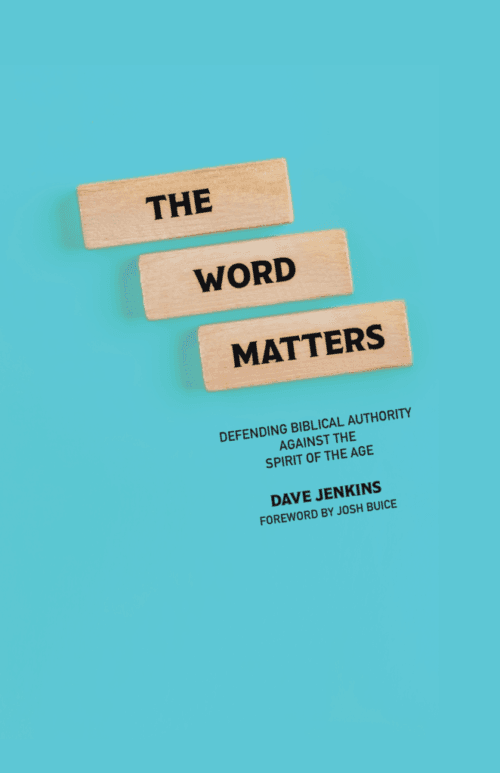
He is the author of The War of Worldviews: Truth, Lies, and the Battle for the Christian Mind (Theology for Life, 2026), Contentment: The Journey of a Lifetime (Theology for Life, 2024), The Word Matters: Defending Biblical Authority Against the Spirit of the Age (G3 Press, 2022), and The Word Explored: The Problem of Biblical Illiteracy and What To Do About It (House to House, 2021).
You can connect with Dave on Facebook, X (Twitter), Instagram, YouTube, or subscribe to his newsletter.
When he is not engaged in ministry work, Dave enjoys spending time with his wife, going to movies, sharing a meal at a favorite restaurant, or playing a round of golf with friends. He is also a voracious reader, particularly of Reformed theology and the Puritans, and is often found working through a stack of new books from a wide range of Christian publishers.
Dave earned his M.A.R. and M.Div. from Liberty Baptist Theological Seminary.