⏱️ Estimated Reading Time: 10 min read
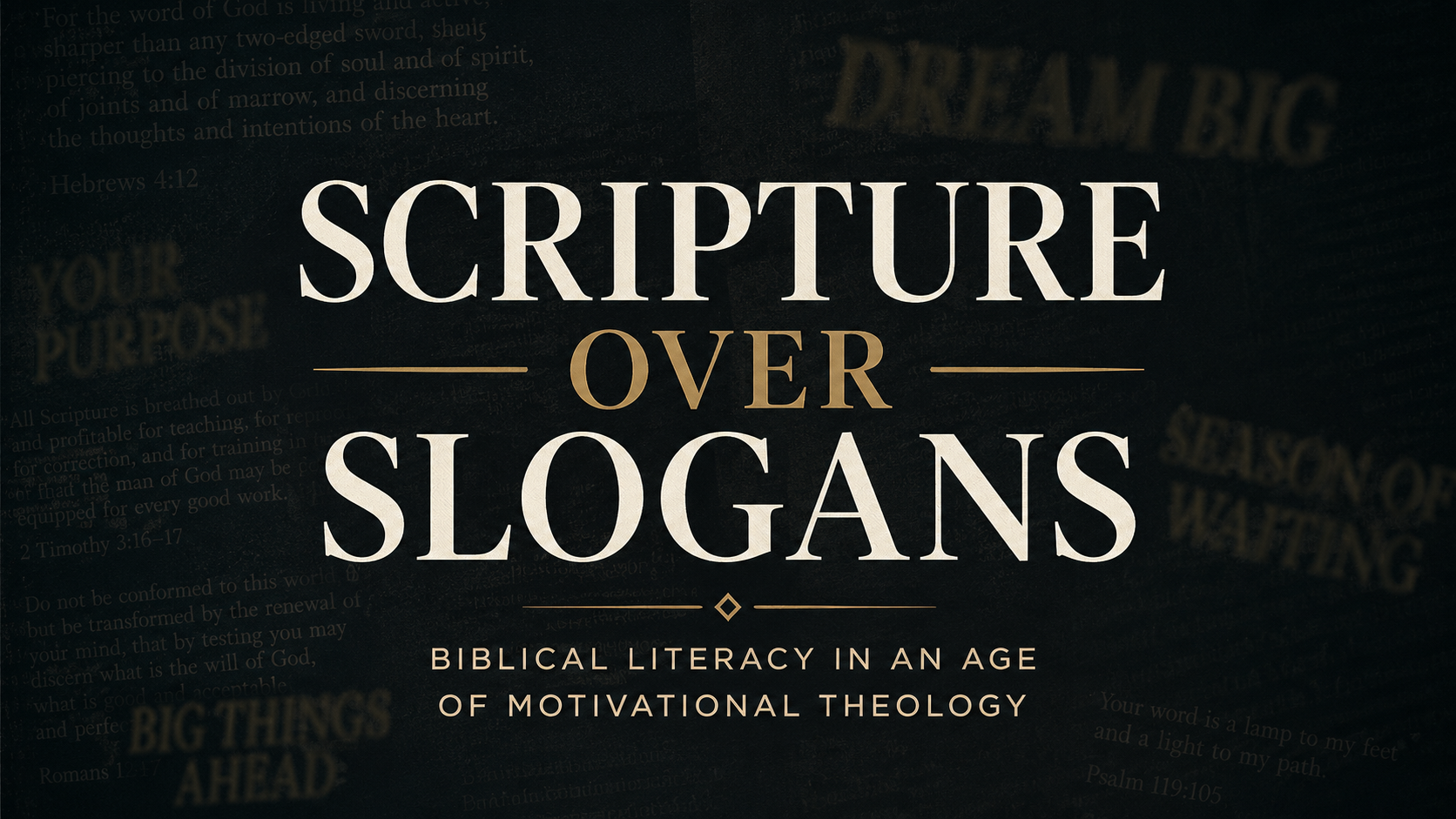
Biblical Literacy in an Age of Motivational Theology
By Angela Mitchell
The Barna Research Group reported in recent years that only 60 percent of American adults can name even five of the 10 Commandments; 12 percent believe Joan of Arc was Noah’s wife; and 50 percent believe Sodom and Gomorrah were married. I think we can emphatically say we have a Biblical Literacy problem.
Theologian A.W. Tozer said this, “What comes into our minds when we think about God is the most important thing about us”
Motivational Speech Theology
Biblical literacy for women is increasingly challenging due to the multitude of teachers and messages we encounter daily through our screens.
For example, I once found myself captivated by a popular female speaker, she communicated with grace, passion, and intensity. She shared many inspiring ideas about purpose and God’s plans. However, there was a significant issue: she was taking Scripture out of context left and right. While her points initially sounded Biblical, and her enthusiasm could have ignited a fire in the coldest of chests, the message ultimately was simply a motivational speech. The speech was designed to inspire awe and motivation in the crowd, and it succeeded in that regard as you could hear the Amens, and the drums rumble along with her voice in the crescendo of her speech. When she concluded with a call to embrace our purpose and dream big, the crowd stood to their feet and erupted in applause. Yet, despite the inspiration of her message, it was laced with motivational mantras like, “God is going to use you! You’re just in a season of waiting! He’s got big things planned! Dare to dream big!” The problem with this kind of teaching is that she used the Scriptures like they were solely a source of personal inspiration, not that they are the inspired Words of God. The main theme of her message was meant to motivate the flesh. Keep in mind, the gospel never promises the sinner what the flesh already wants. So if you find yourself consistently being taught to emphasize your own dreams, personal goals, health, wealth, and material abundance while listening to a self-professed Bible teacher, it should let you know they are mishandling the Word of God.
Bible studies for women and popular self-proclaimed Bible teachers in the Christian world are saturated with this type of teacher. Women are devastatingly being fed spiritual fluff and false theology. The market for these kinds of teachers and books is so large that you can be sure one of these teachers will pop up when you search Google for Christian Bible studies for women. Christian bookshelves are filled with teachings that often misinterpret Scripture. These teachings aim to flatter our egos, provoke our emotions, and lead us to focus on earthly goals and pleasures. Women are often the primary audience for this type of teaching. However, by prioritizing biblical literacy, we can avoid falling victim to these false teachers.
My encouragement to you is this: If the authors, teachers, pastors, and influencers you follow never tell you the truth that you are a sinner in need of a Savior, fail to rightly handle and divide the Word, and do not clearly and Biblically present the gospel, you can be sure that you will not grow in Biblical literacy by listening to them. It is time to let them go.
The Importance of Critical Thinking
One significant issue we face today is a decline in our ability to think critically. As a result, many women may unknowingly find themselves navigating the superficial world of self-help and Christian-sounding affirmations, quotes, and mantras. This can lead to a loss of our ability to discern, making it difficult to recognize when we are being misled or when Scripture is being misinterpreted. Bible reading has often been overlooked in favor of inspirational speeches, tips for a happier life, and emotionally charged messages.. Keep in mind that we are also living in a post-truth and postmodern era, and this worldview has infiltrated the church. One example of this shift is the way we interpret Scripture. Many people are succumbing to post-truth thinking when they ask, “What does this verse mean to me?” instead of asking, “What does this verse mean?” This reflects the worldly idea that everyone has their own truth. Tragically, this is how many women are taught to handle the Scriptures in their women’s ministries. 2 Peter 1:20 says this: “knowing this first of all, that no prophecy of Scripture comes from someone’s own interpretation.”
Women who are starved for spiritual nourishment will discover true sustenance when they learn to read Scripture for themselves, seeking a right understanding of God’s word.
Engaging with the Bible allows us to grow in our understanding of sound doctrine, receive the correction we all need, and gain instruction in righteousness. The Bible equips us for every good work, and in turn, we can know God and bring Him glory. 2 Timothy 3:16-17 says, “All Scripture is breathed out by God and profitable for teaching, for reproof, for correction, and for training in righteousness, that the man of God may be complete, equipped for every good work.”
A Launching Pad for Literacy
Another pitfall we face in the digital age is the loss of our ability to study effectively, which has resulted in shorter attention spans. We often rely on brief sermons and catchy one-liner quotes instead of deeply engaging with the richness of Scripture. This dependence might lead us to rely solely on others to uncover the treasures of the Bible for us, rather than putting in the effort to explore the Scriptures ourselves. Consequently, we become more susceptible to false teachers, who are eager to do the thinking and interpreting on our behalf.
Hebrews 5:14 says “but solid food is for the mature, for those who have their powers of discernment trained by constant practice to distinguish good from evil,” Discernment comes through training, much like training your muscles at the gym, with the Holy Spirits guidance you must train your mind in the Word of God to develop a strong discernment muscle. Maybe you are intimidated by the Bible. Perhaps you’ve been fed a mile-wide and inch-deep theology for so long that you don’t know where to begin. While there are many additional principles for studying the Scriptures with the correct hermeneutic, we won’t have time to cover all of them today. However, these study habits can help you get started.
Before you even open your Bible to read it: Pray, ask for the Holy Spirit’s help, and next, remember that context is crucial; we should avoid cherry-picking Bible verses. Just as you wouldn’t open your favorite novel, select one sentence, and expect to fully understand the chapter, we must read the Scriptures in their proper context. When we encounter a confusing passage in the Bible, we should interpret it using other Scriptures. If one passage is unclear, it may be better understood in light of another. The Bible does not contradict itself, and we can trust its teachings. We must ask if the text we are reading is prescriptive or descriptive. The difference is this: a passage is descriptive if it is simply describing something that happened, while a passage is prescriptive if it is specifically teaching that something should happen, a command for us to follow.
There are many other good Bible study principles that we must know to rightly handle and divide the Word of God, one of my favorite resources, is the easy to read booklet, “How to study your Bible’ by John MacArthur.
The Issue of Busyness
Now you might think, “I just don’t have the time for this kind of study. My children are so young, and we really aren’t sleeping right now, or my work schedule is hectic . How can I possibly find time for serious study?”
Many women lead busy lives and often feel pressed for time. This is why having a solid commentary and trustworthy teachers to help us understand Scripture is crucial during these seasons. I have greatly benefited from the insights of knowledgeable teachers and commentaries, and my ESV Study Bible has provided me with a wealth of valuable information to help me understand the text. With so many reliable resources and online tools available today, we have no excuse for not engaging with the text.
It’s also ok to move through Scripture slowly. My pastor always encourages us to use this basic principle that anyone can implement…start by committing to just five minutes each day to reading the Word. You’ll be surprised at how this time can build on itself; five minutes can quickly become 15 and so on. Developing this habit can create a consistent pattern in our lives. The Bible serves as daily nourishment for our souls. Matthew 4:4 says this, “But he answered, ‘It is written, “Man shall not live by bread alone, but by every word that comes from the mouth of God.”’” We can’t go without it, especially during the busy seasons of life.
The Importance of a Biblical Church
In addition to reading the Bible daily, we need to be a part of a healthy local church. We should avoid superficial interpretations of Scripture, like those commonly found on social media, and we should also seek a church that accurately interprets the Bible.
Look for a church that has expository preaching, where the central message of the text is the central message of the sermon. This approach will take you through entire books of the Bible exegetically, because Christians need the entire counsel of God, and this can help you learn how to read your Bible more effectively during the week. A faithful pastor who fulfills the qualifications of an elder, as outlined in 1 Timothy 3:2-7 and Titus 1:6-8, will provide you with plenty of material for thoughtful reflection throughout the week.
Being a part of a Biblical church will encourage your growth in Biblical literacy in ways that reading books, listening to online sermons, or participating in parachurch ladies’ Bible studies alone cannot provide.
The Charge to Rightly Divide
I want to remind you to not be easily swayed by the passion in a teacher’s voice, the authority with which they speak, the excitement of their speech, the teacher’s online follower count, or the titles that they claim to hold. We must be women who know our Bibles so that we are not influenced by tone and affluence alone, but by Truth. Remember, if you want to know how to test a teacher, you must know your Bible.
We all must take up the charge Paul gave to Timothy in 2 Timothy 2:15, to “Do your best to present yourself to God as one approved, a worker who has no need to be ashamed, rightly handling the word of truth.”
For more from our latest series please visit here or at our YouTube.

Angela Mitchell is happily married to Brandon Mitchell. She has three children and is a stay at home homeschool mom. Angela has a heart for training her children in truth, equipping them to spot cultural lies, and teaching them to have a Biblical worldview. You can find her online ministry to women on Facebook and Instagram @raisingapologists, where she seeks to encourage moms to equip their children to think Biblically.