“`
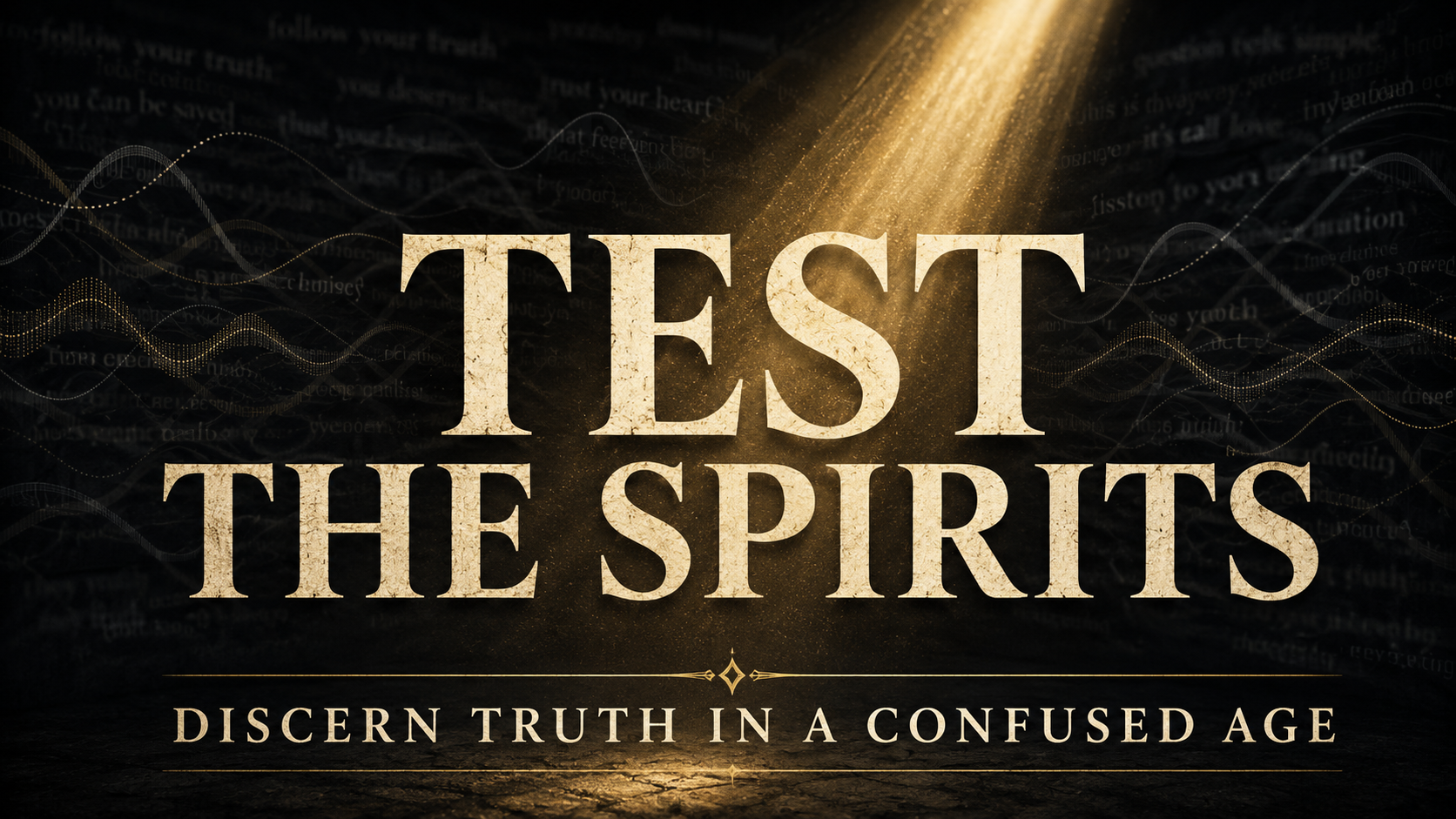
How Christians Can Discern Truth in a Post-Truth Culture
Not everything that sounds spiritual is from God, and not every message that feels meaningful is true. Christians are called to test what they hear according to the unchanging truth of God’s Word.
Listen
Watch
Testing What We Hear
One of the most common assumptions in our culture is that something must be good simply because it sounds spiritual, feels meaningful, or is presented sincerely. First John 4:1 directly challenges that assumption by commanding Christians not to believe every spirit, but to test the spirits to determine whether they are from God.
Christians are not called to accept every message, experience, or spiritual claim without examination. Spiritual language is not the same as spiritual truth. Every idea must be tested according to the written Word of God.
“Beloved, do not believe every spirit, but test the spirits to see whether they are from God.”1 John 4:1
Scripture Is the Standard
Acts 17:11 commends the Bereans because they received the Word eagerly while examining the Scriptures daily to see whether what they heard was true. Their example shows that Scripture, not feelings, experiences, popularity, or personality, is the final standard for evaluating every teaching.
If a teaching contradicts the Word of God, it is not from God. True teaching will also agree with Scripture concerning the person and work of Jesus Christ. False teaching often distorts Christ, minimizes His work, or replaces the biblical gospel with another message.
Discernment Grows Through Practice
Hebrews 5:14 teaches that mature believers have their powers of discernment trained through constant practice to distinguish good from evil. Biblical discernment grows as Christians regularly read, study, meditate upon, and apply the Word of God.
Discernment also develops through faithful participation in a biblically qualified local church. Christians need sound preaching, biblical fellowship, and the help of other believers. Discernment is a community project. We need one another as we seek to understand Scripture, recognize error, and remain grounded in truth.
More Than Exposing False Teaching
Discernment is not merely about identifying false teachers, dangerous ideas, or deceptive spiritual movements. It is also positive. Biblical discernment begins with knowing what God has said and what He means in His Word.
A genuine love for discernment grows from a genuine love for Scripture. From that foundation, Christians can contend for the faith, warn others about error, and care for those who have been trapped by false teaching and deceptive philosophies.
In This Episode
- Why not everything described as spiritual comes from God
- How Christians can test spiritual claims and experiences
- Why Scripture must remain the final standard of truth
- How false teaching distorts the biblical Christ
- Why discernment develops through constant practice
- How biblical preaching strengthens personal Bible study
- Why discernment is a community project within the local church
- How Christians can confront error with truth, clarity, and love
Key Scriptures
- 1 John 4:1-3
- Acts 17:11
- Isaiah 5:20
- Hebrews 5:14
- Psalm 1
“`